
People often say, “Why don’t you just start a business?” as if it’s the easiest solution to financial struggles. I used to believe that too.
I am a private employee and a single mother raising two daughters without any financial support from their father. Like many Filipinos, I realized that relying on one income was simply not enough. I wanted to create another source of income, not just for myself, but for my family’s future.
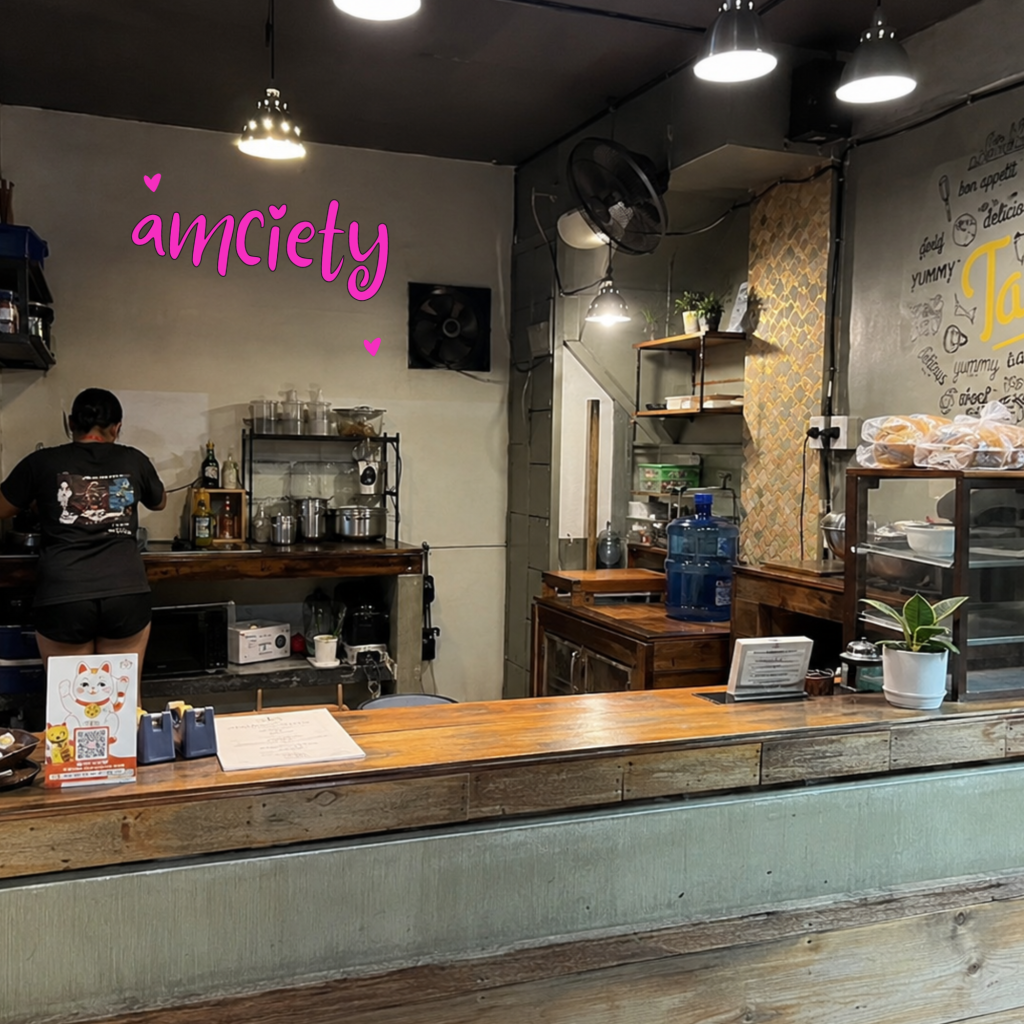
Together with my partner and my brother, we decided to start a small food business.
We found a space to rent, signed the lease, paid the deposits, bought kitchen equipment, appliances, utensils, and supplies. We hired a cook and two helpers. We secured the permits and registered everything properly, including with the BIR. We wanted to do things the right way.
Then we opened.
Reality hit us harder than we expected.
Some days were decent because our coworkers supported us by placing orders. We were grateful for every customer who believed in us. But those good days were rare. Most days, sales were painfully low. There was even a day when we earned only ₱160.
Imagine trying to pay rent, utilities, ingredients, and the salaries of three employees with that.
We ended up using our own salaries from our full time jobs just to pay our staff. We kept telling ourselves that things would eventually get better, that every new business takes time. But after months of trying, we had to face the truth. We were losing more money than we could afford.
Closing the business was one of the hardest decisions we ever made.
What made it even more painful was what happened next.
A few months later, we processed the formal closure with the BIR. We had already lost our investment. We were already drowning financially. Yet we still had to pay just to officially close the business.
Our final assessment was almost ₱40,000.
Think about that.
You fail in business. You lose your capital. You carry the debt. Then you are asked to pay tens of thousands of pesos just to stop operating.
I understand why businesses need to be regulated. I understand that taxes are important. But I also believe there should be more compassion for micro and small entrepreneurs who genuinely tried, followed the rules, and simply failed.
Not every business closes because of negligence. Some close because they simply couldn’t survive.
People often celebrate successful entrepreneurs, but very few talk about those who risked everything, did everything legally, and still ended up with nothing.
Starting a business in the Philippines is already difficult. Sometimes, closing one feels even harder.
I still believe in entrepreneurship. But I also hope that one day, our system will make it easier for honest small business owners to recover from failure instead of making them pay even more for it.